
Erectile Dysfunction: New Therapeutic Recommendations
The treatment of erectile dysfunction is changing. This condition, which massively affects men over the age of 40, is now the subject of new treatment recommendations.

Erectile dysfunction: what is it?
Erectile dysfunction, formerly known as male impotence, is defined as the inability to obtain or maintain an erection that is sufficiently rigid to allow satisfactory sexual intercourse, despite adequate desire and stimulation. This condition is truly considered pathological when it recurs and persists over time; some specialists define this as a minimum duration of six months (1).
This condition, the prevalence of which increases with age, is thought to affect up to 1 in 3 men over the age of 40 (2). Still taboo, it remains largely under-diagnosed and under-treated: it is estimated that only 10% of sufferers receive appropriate treatment. Yet its psychological impact is very real, with significant repercussions on self-esteem and relationships (3). There is therefore no reason to be ashamed of consulting a healthcare professional if you are affected, not to mention the fact that erectile dysfunction sometimes conceals other underlying pathologies, particularly cardiovascular (4).
Standard treatments for erectile dysfunction
Medical management of erectile dysfunction typically begins with an assessment of cardiovascular risk, with a view to proposing a treatment that is compatible with the patient's state of health. It has now been established that coronary artery disease, hypertension and hyperlipidaemia, as well as diabetes and obesity, are major contributors to the onset of erectile dysfunction (5).
Unless there are proven contraindications, oral treatment with phosphodiesterase 5 inhibitors (or IPDE-5s) is usually prescribed as first-line therapy (6). The aim of these drugs is to maintain the erectile process by prolonging the effects of cGMP, a molecule that relaxes the smooth muscles of the cavernous body of the penis. If this is not possible or fails, the main alternatives are local treatments: intracavernous injections of prostaglandin E1 or the use of a vacuum (a vacuum pump that produces a mechanical erection). A penile prosthesis is generally used as a last resort.
It should be noted that some erectile dysfunctions have a psychogenic origin, especially in young men (performance anxiety, stress, depression, relationship tensions within the couple, negative sexual experiences in the past, etc.), which merit additional psychological support (7).
Male impotence: new medical recommendations
Healthcare professionals are placing greater emphasis on providing patients with sexual information to reassure them, relieve their guilt and help them play the situation down. Explanations of the physiology of erection, the psychological component of the mechanism and the importance of foreplay are sometimes enough to solve the problem.
Hygienic and dietary measures also play a central role, and are now part of first-line treatment: a balanced Mediterranean-style diet, stopping the use of toxic substances (tobacco, alcohol, etc.), getting enough sleep, regular physical exercise (ideally combining 2 endurance sessions with 2 muscle-strengthening sessions and 1 team sport session) and weight loss if necessary (8-10).
Treatment, which used to be standard, is now individualised to suit the expectations, lifestyle and frequency of sexual relations of the patient, who plays a more active role in therapeutic decisions. The dosage and frequency of use of IPDE-5s (continuous or on demand) are now adjusted, revised and optimized. Certain dual therapies—for example, IPDE-5 + prostaglandin, IPDE-5 + vacuum, or even two IPDE-5s in cases of severe dysfunction—are also being validated earlier in the course of treatment. It should be noted that all comorbidities (sleep apnoea, hypogonadism, obesity, addictions, etc.) are now systematically screened.
In terms of therapeutic advances, we are seeing the arrival of new forms of fast-acting IPDE-5, to be taken sublingually. Extracorporeal low-intensity shockwave therapy, which is still little-known, is emerging as a new option, but its benefits have yet to be proven (11). Finally, emphasis is being placed on the biopsychosocial dimension, which has long been sidelined, with the development of counselling (psychological and sexological support) and sex therapy; these also include the partner in the treatment protocol (12).
Natural compounds to improve erectile function?
Certain natural substances act more or less directly on the erectile process by harmonising the hormonal sphere, boosting libido, reducing stress or improving blood circulation.
Hormonal mediators
As the guarantor of male sexual vitality, testosterone has an indirect impact on the quality of erections. A marked deficiency, for example in cases of hypogonadism, results in reduced physical stamina, reduced sexual desire and pleasure, and reduced sensitivity of the erectile tissue in the cavernous body of the penis (13).
Thanks to its saponins (including protodioscin), which are thought to support the production of androgenic hormones, including testosterone, Tribulus terrestris contributes to the proper activity of the sexual organs (14). Part of the Ayurvedic pharmacopoeia, this plant was widely used in India as a natural remedy for erectile dysfunction.
 You'll find it in Tribulus Terrestris, standardized to 40% saponins.
In terms of vitamins and minerals, it's important to ensure that you get enough zinc, which helps maintain normal levels of testosterone in the blood, and magnesium, which helps maintain normal muscle function and reduce fatigue (15-16). It should be noted that vitamin D receptors are implanted in the testicular Leydig cells which synthesise testosterone, suggesting that it could modulate this production (17-18).
Natural TestoFormula combines the best natural 'testosterone boosters', including Tribulus terrestris and zinc.
The Prosexual Formula Man synergy covers all aspects of male sexual health, combining Tribulus terrestris with magnesium and various renowned extracts: catuaba, banded wood, etc.
Aphrodisiacs and adaptogens
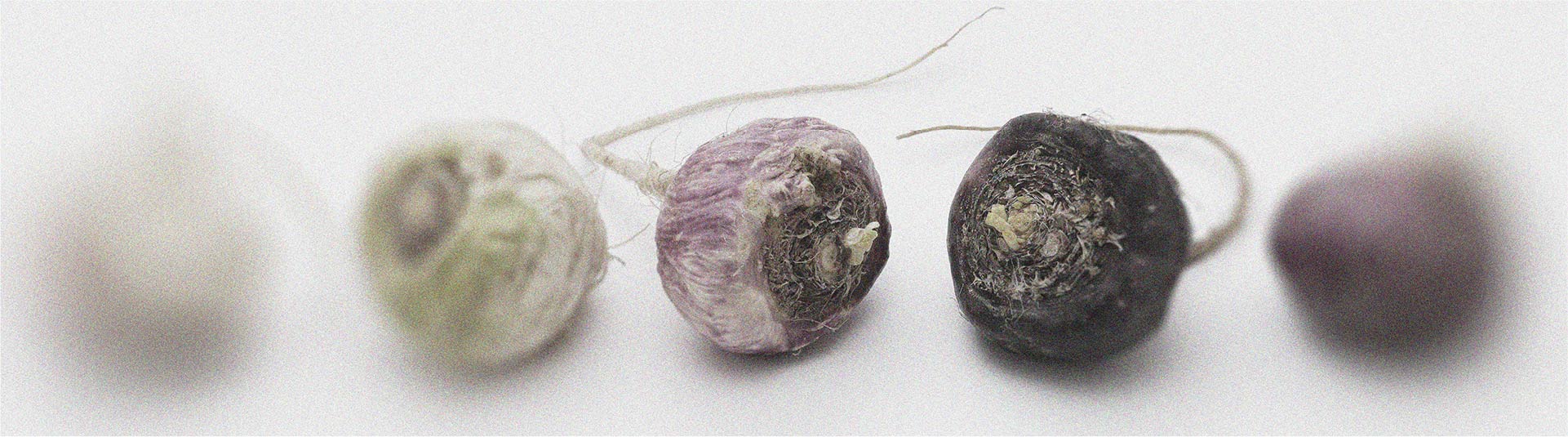
Native to the Peruvian Andes, Maca (Lepidium meyenii) is a plant in the cruciferous family which has long been used by Indigenous peoples to increase fertility and invigorate the body. Its macamides and macaenes support sexual function by combating the physical and mental fatigue that hinders sexual motivation and appetite (19).
Discover Super Maca, maca extract containing 0.6% macamides and macaenes.
Ginseng is a favorite in Chinese medicine. This adaptogenic rhizome, rich in ginsenosides, helps maintain good sexual well-being, most likely by improving general tone, resistance to stress and blood flow to the genital area (20).
Super Ginseng is titrated to 30% ginsenosides for maximum effectiveness on sexual vigour.
Circulatory action
Nitric oxide (NO) is a messenger gas released during sexual stimulation. It relaxes the smooth muscles of the cavernous bodies of the penis and dilates the penile arterioles, which are responsible for erectile rigidity. As amino acids that are precursors of nitric oxide, L-arginine and citrulline indirectly promote the vasodilation required for erection (21).
The supplement Arginine Alpha Ketoglutarate is based on a more effective form than conventional L-arginine for this indication.
Supplementation with L-Citrulline effectively increases levels of citrulline, which is poorly represented in the diet.
Innovative supplements also make use of plant polyphenols, which have been extensively studied for their role in protecting nitric oxide (22).
Nitric Oxide Formula combines arginine and citrulline with a patented extract of apple and grape polyphenols (Vinitrox™).
Prosextim, meanwhile, relies on a patented ingredient called EnoSTIM™, formulated from grape pomace, apple and saffron stigma extracts.
SUPERSMART ADVICE
References
- Leslie SW, Sooriyamoorthy T. Erectile Dysfunction. [Updated 2024 Jan 9]. In: StatPearls [Internet]. Treasure Island (FL): StatPearls Publishing; 2025 Jan-. Available from: https://www.ncbi.nlm.nih.gov/books/NBK562253/
- Nicolosi A, Moreira ED Jr, Shirai M, Bin Mohd Tambi MI, Glasser DB. Epidemiology of erectile dysfunction in four countries: cross-national study of the prevalence and correlates of erectile dysfunction. Urology. 2003 Jan;61(1):201-6. doi: 10.1016/s0090-4295(02)02102-7. PMID: 12559296.
- Huri HZ, Mat Sanusi ND, Razack AH, Mark R. Association of psychological factors, patients' knowledge, and management among patients with erectile dysfunction. Patient Prefer Adherence. 2016 May 13;10:807-23. doi: 10.2147/PPA.S99544. PMID: 27257374; PMCID: PMC4874731.
- Jackson G. Erectile dysfunction and cardiovascular disease. Arab J Urol. 2013 Sep;11(3):212-6. doi: 10.1016/j.aju.2013.03.003. Epub 2013 May 3. PMID: 26558084; PMCID: PMC4442980.
- Leslie SW, Sooriyamoorthy T. Erectile Dysfunction. [Updated 2024 Jan 9]. In: StatPearls [Internet]. Treasure Island (FL): StatPearls Publishing; 2025 Jan-. Available from: https://www.ncbi.nlm.nih.gov/books/NBK562253/
- Dhaliwal A, Gupta M. PDE5 Inhibitors. [Updated 2023 Apr 10]. In: StatPearls [Internet]. Treasure Island (FL): StatPearls Publishing; 2025 Jan-. Available from: https://www.ncbi.nlm.nih.gov/books/NBK549843/
- Rosen RC. Psychogenic erectile dysfunction. Classification and management. Urol Clin North Am. 2001 May;28(2):269-78. doi: 10.1016/s0094-0143(05)70137-3. PMID: 11402580.
- Yang B, Wei C, Zhang YC, Ma DL, Bai J, Liu Z, Liu XM, Liu JH, Yuan XY, Yao WM. Association between improved erectile function and dietary patterns: a systematic review and meta-analysis. Asian J Androl. 2025 Mar 1;27(2):239-244. doi: 10.4103/aja202485. Epub 2024 Oct 29. PMID: 39468798; PMCID: PMC11949448.
- Gerbild H, Larsen CM, Graugaard C, Areskoug Josefsson K. Physical Activity to Improve Erectile Function: A Systematic Review of Intervention Studies. Sex Med. 2018 Jun;6(2):75-89. doi: 10.1016/j.esxm.2018.02.001. Epub 2018 Apr 13. PMID: 29661646; PMCID: PMC5960035.
- Evans MF. Lose weight to lose erectile dysfunction. Can Fam Physician. 2005 Jan;51(1):47-9. PMID: 15732221; PMCID: PMC1479584.
- Gruenwald I, Appel B, Kitrey ND, Vardi Y. Shockwave treatment of erectile dysfunction. Ther Adv Urol. 2013 Apr;5(2):95-9. doi: 10.1177/1756287212470696. PMID: 23554844; PMCID: PMC3607492.
- Dewitte M, Bettocchi C, Carvalho J, Corona G, Flink I, Limoncin E, Pascoal P, Reisman Y, Van Lankveld J. A Psychosocial Approach to Erectile Dysfunction: Position Statements from the European Society of Sexual Medicine (ESSM). Sex Med. 2021 Dec;9(6):100434. doi: 10.1016/j.esxm.2021.100434. Epub 2021 Oct 7. PMID: 34626919; PMCID: PMC8766276.
- Sizar O, Leslie SW, Schwartz J. Male Hypogonadism. [Updated 2024 Feb 25]. In: StatPearls [Internet]. Treasure Island (FL): StatPearls Publishing; 2025 Jan-. Available from: https://www.ncbi.nlm.nih.gov/books/NBK532933/
- Suharyani S, Amanda B, Angellee J, William W, Hariyanto TI, I'tishom R. Tribulus terrestris for management of patients with erectile dysfunction: a systematic review and meta-analysis of randomized trials. Int J Impot Res. 2025 May 13. doi: 10.1038/s41443-025-01086-7. Epub ahead of print. PMID: 40360723.
- Besong EE, Akhigbe TM, Ashonibare PJ, Oladipo AA, Obimma JN, Hamed MA, Adeyemi DH, Akhigbe RE. Zinc improves sexual performance and erectile function by preventing penile oxidative injury and upregulating circulating testosterone in lead-exposed rats. Redox Rep. 2023 Dec;28(1):2225675. doi: 10.1080/13510002.2023.2225675. PMID: 37345699; PMCID: PMC10291914.
Keywords






17 Hours
The best supplement for…
The best supplement for hyperpigmentation or melasma. I have struggled with melasma and hyperpigmentation for 10 years. I have tried everything, including lasers. Nothing really worked except this!
NS
2 Days
Great source for high quality…
Great source for high quality supplements
Vikki L
5 Days
Recommended: "Eye Pressure"
(Eye Pressure pills) Highly recommended for glaucoma patients
LM
6 Days
Great follow-up
Great follow-up
Michael Henderson
10 Days
My hair isn't gray.
My hair isn't gray.
TANQUARY Damon
10 Days
The ease of ordering is not the only …
The ease of ordering is not the only reason why I trust Super Smart Supplements. This company researches everything they sell. Educating Me with a wealth knowledge to make Better Supplement choices. The paractin Andrographis is awesome! I noticed less Knee, shoulder or joint pain. Which proves to me, you're never too old to repair what a lifetime of intense usage has done to your body. I recommend SUPER SMART to anyone who is looking to improve their overall health & maintain an active ,pain free life as You age.
Mchael Montalbano
13 Days
Quick shipping and very good quality
Quick shipping and very good quality. I’ve bought from them for the last six months
Monig
16 Days
love the quality of the supplements!
love the quality of the supplements!
Tatiana
18 Days
Came quickly
Came quickly
Courtney Everson
18 Days
Feels great on my skin
I have only used the SuperSmart NAD face cream for a couple of weeks. So I can’t say it transformed my skin yet. However, it absorbs nicely. Is not oily or caused any acne. It feels wonderful in my routine which means I will consistently use every day! I’ve already researched the ingredients so I’m confident it will help clear the zombie cells and keep my skin looking fresh. I’m pleasantly surprised and will repurchase!
Moto
21 Days
Excellent quality
Excellent quality, I can usually tell the difference when I get other cheaper brands that are not as good. Supersmart is my first choice
MMA TUBE
24 Days
Like the product
Like the product. The bottle design is too bland.
JENKINS Rose
30 Days
Super easy and great communication
Super easy and great communication
Greg Maurer
34 Days
Cured my blood sugar issues with correct diet and almost no sugar.
Ordering was very easy and it was here within a day or two. But the best thing of all is that it fixed my blood sugar problems. I was sweating throughout the night. I had almost completely stopped sugar , which definitely helped, but I was still having sweats and this product here solved that problem. It took me years to figure it this out. I hope this helps somebody.
Rickey Matlock
38 Days
I was impressed by the patience of the representative who helped me!
I was having a very hard time trying to set up my account with them and they were very helpful and patient to get it done for me! And I was impressed by all the information they provided about the product I was purchasing!
Rebecca M.